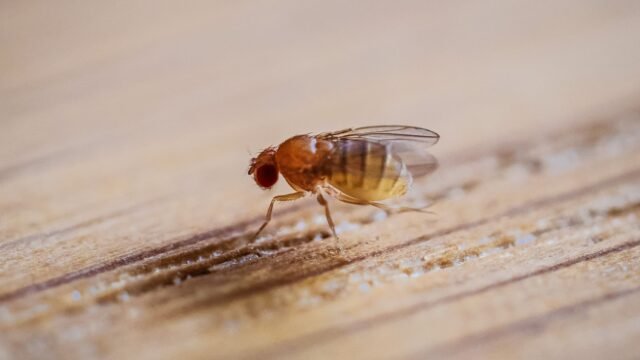
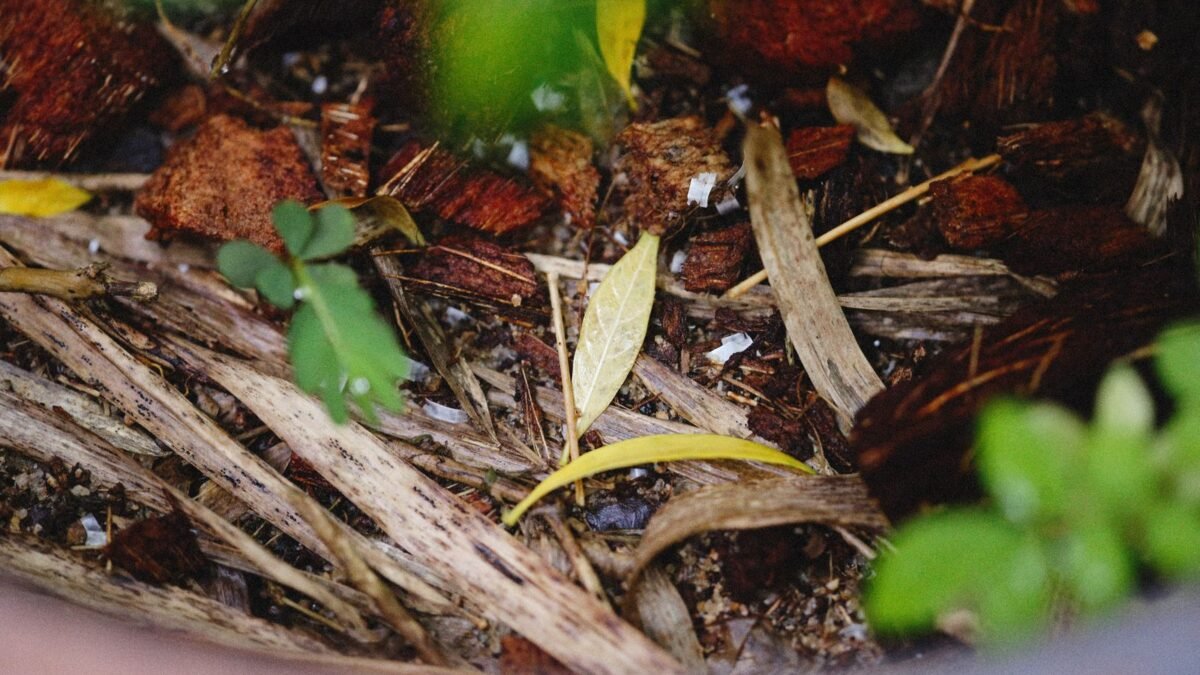
Look closely at almost any worm bin and you’ll see tiny moving specks, often worm bin mites. It can be unsettling, but a worm bin is an ecosystem, not a sterile box. Most of these creatures help break down food and are no threat to your worms. A few are worth watching.
Why worm bin mites appear
Mites arrive on food scraps, bedding and even the worms themselves. They’re present in nearly every bin at low levels. They boom when conditions favor them, which almost always means:
- Too much food, especially soft fruit
- Too much moisture
- Acidic conditions
So a sudden mite explosion is less a pest problem and more a sign that something else needs adjusting.
White mites
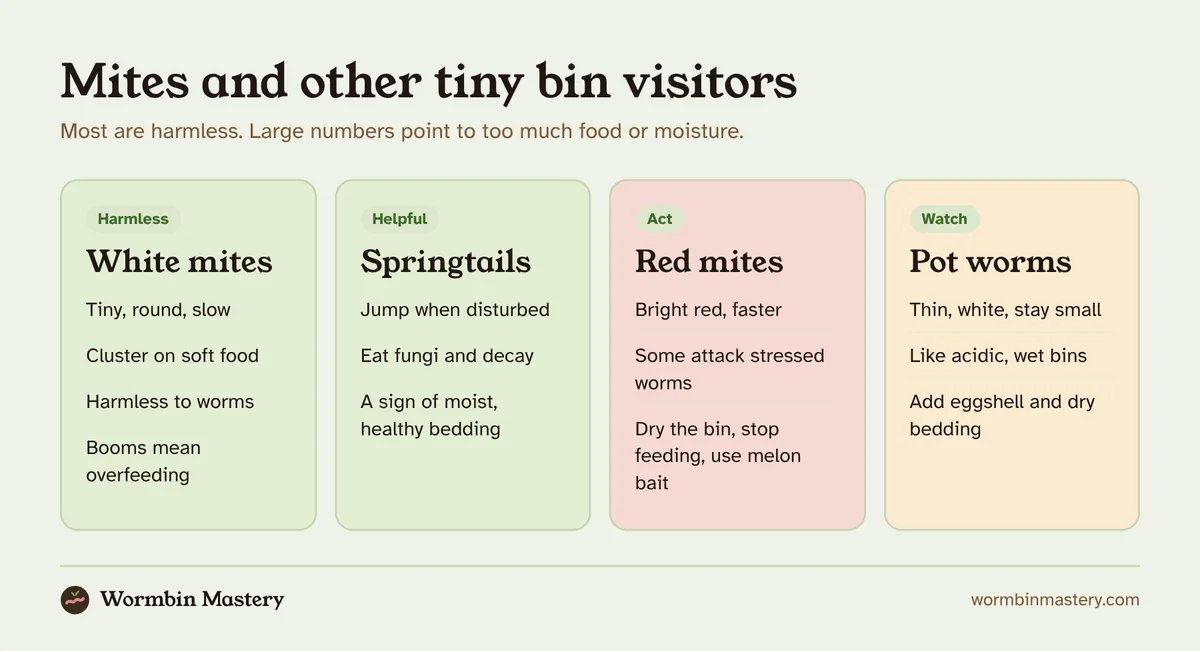
What they look like: tiny, round, white or cream specks, slow moving. They often cluster thickly on pieces of soft food, sometimes covering them like a white fuzz.
Are they harmful? No. White mites eat decaying food and compete with worms for it, but they don’t attack worms.
What they mean: usually overfeeding, wet bedding or an acidic bin. They love melon, banana and other soft fruit.
What to do: cut back on food, especially fruit. Add dry shredded cardboard. A sprinkle of ground eggshell helps if the bin is acidic. Remove food pieces that are coated in mites and put them in an outdoor compost heap.
 Related guideWhy Worms Leave the Bin and How to Stop Them
Brown and tan mites
What they look like: small, round, brown or tan, moving slowly through bedding.
Are they harmful? Generally no. Most are decomposers similar to white mites.
What they mean: normal bin life. Large numbers point to the same overfeeding and moisture issues.
What to do: same as white mites. Usually no action needed.
Red mites
What they look like: tiny, bright red or orange-red, often faster moving.
Are they harmful? Potentially. Some red mite species found in worm bins are predatory or parasitic and may attack worms or cocoons, particularly when worms are already stressed. Not every red mite is harmful, but large numbers are a warning.
What they mean: often a very wet, acidic or overfed bin, sometimes combined with stressed worms.
What to do:
- Stop feeding for a week or two.
- Dry the bin out with plenty of shredded cardboard. See our wet bin fix.
- Buffer acidity with finely ground eggshell.
- Use a bait: lay a slice of melon rind or a piece of moist bread on the surface. Mites gather on it within a day. Remove the bait and mites and repeat a few times.
- Leave the lid off for a few hours in good light to dry the surface.
Avoid chemical miticides. They can kill worms.
Springtails
What they look like: tiny white or grey insects, slightly elongated, that jump or flick away when disturbed.
Are they harmful? No. Springtails eat fungi and decaying matter and are a normal, beneficial part of bin life.
What they mean: healthy, moist conditions. Very large numbers can mean the bin is a little too wet.
What to do: nothing, unless moisture is high.
Other common visitors
Fruit flies and fungus gnats
Annoying but harmless to worms. Read our fruit fly guide.
Pot worms (enchytraeids)
Small, thin, white worms, often mistaken for baby red wigglers. Baby red wigglers are pinkish and grow red. Pot worms stay white. They thrive in acidic, wet conditions. Treat the bin like you would for white mites.
Black soldier fly larvae
Large, flat, grey-brown grubs in outdoor bins in warm climates. Harmless to worms and great at eating food. If they dominate, reduce feeding and keep the lid tight.
Centipedes
Fast, many-legged and predatory. They can eat worms. Remove any you see. They usually wander in from outdoors.
Ants
Ants mean the bin is too dry. Increase moisture and they’ll move on. Our moisture guide explains the squeeze test.
Preventing mite booms
- Feed only what worms can finish in about a week. See how often to feed worms.
- Add dry carbon with every feeding.
- Keep moisture at the wrung-out sponge level.
- Bury food rather than leaving it on top.
- Limit very soft, sugary fruit and citrus.
- Add finely ground eggshell regularly as a buffer.
When to worry
Mites become a real concern only when:
- Red mites are present in large numbers
- Worms are dying or very inactive
- Worms are fleeing the bin
In those cases, read why worms die and why worms leave the bin, and fix the underlying moisture or feeding problem.
A step-by-step plan for a mite outbreak
If mites are covering food and bedding, follow this for two weeks:
- Days 1–2: stop feeding. Remove food pieces that are coated in mites and put them in an outdoor compost heap or the trash.
- Day 2: mix in several handfuls of dry shredded cardboard. Dust the surface lightly with finely ground eggshell.
- Days 3–7: set a bait each evening: a slice of melon rind or moist bread on the surface. Each morning, lift it off with the mites and discard. Repeat.
- Day 7: do a squeeze test. If the bin still drips, add more dry carbon and leave the lid off for a few hours under a light.
- Day 10 onward: start feeding again with small amounts of frozen and thawed scraps, buried and covered.
By the end of two weeks, mite numbers are usually back to background levels. If red mites remain numerous and worms are struggling, consider moving the worms to fresh bedding in a clean bin.
Should you ever start over?
Very rarely. Starting over is only worth it when a bin is badly infested with red mites and worms keep declining despite fixing moisture and feeding. Pick out as many healthy worms as you can, rinse them gently in dechlorinated water, and put them into a clean bin with fresh bedding. Spread the old bin’s contents on the garden, where mites disperse harmlessly.
Further reading: Oregon State University Extension’s Composting with Worms (EM 9034) lists worm bin mites and other creatures in a bin and which ones are harmful.
Frequently asked questions
Will mites get into my house?
Bin mites live on decaying organic matter and don’t infest homes. They stay where the food is.
Do mites mean my bin is dirty?
No. Every bin has them. Large numbers mean the balance of food and moisture is off, not that the bin is unclean.
Can I use castings that contain mites?
Yes. Mites are part of the soil food web and are harmless to plants. They’ll disperse once the castings are in the garden.
How do I tell baby worms from pot worms?
Baby red wigglers are pinkish-white and darken to red as they grow, with visible blood vessels. Pot worms stay white and are thinner, rarely longer than about 1 inch (2.5 cm).