

Worm bin moisture is the single most important condition in a worm bin after temperature. Worms breathe through their skin, which has to stay moist for oxygen to pass through. Too dry and they suffocate slowly. Too wet and the air spaces fill with water, so they suffocate faster.
The good news: you can check moisture in ten seconds with your hand, and fixing it is usually just as quick.
Ideal worm bin moisture: a wrung-out sponge
Healthy bedding is damp all the way through, like a sponge you’ve soaked and squeezed hard. It’s cool to the touch, holds together loosely when you squeeze it, and crumbles apart when you open your hand.
In numbers, that’s roughly 70–80% moisture by weight. You don’t need a meter. The squeeze test is reliable.
How to do the squeeze test
- Dig into the middle of the bin, about 3–4 inches (8–10 cm) below the surface. The top layer is often drier than the rest.
- Take a fistful of bedding.
- Squeeze firmly over the bin.
- Watch what happens.

Nothing comes out and it falls apart: too dry
The bedding feels light, papery or crumbly. Worms may be thin, slow or clustered in the damp bottom corners.
One or two drops: just right
This is what you want. Worms are spread through the bedding and active.
A stream or steady drips: too wet
Water runs between your fingers. The bedding may look dark and matted, smell sour, and you might see water pooling at the bottom of the bin.
 Related guideWorm Bin in Winter: How to Keep Worms Alive and Working
Fixing a dry bin
Dry bins are common in air-conditioned rooms, hot climates and bins with lots of ventilation.
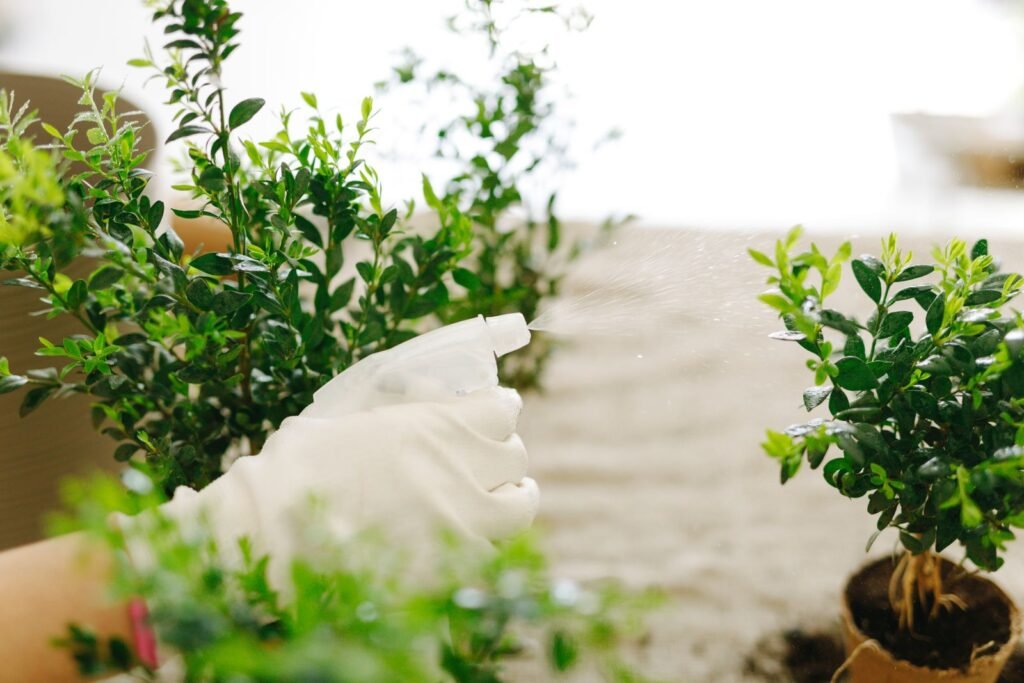
- Mist, don’t pour. Use a spray bottle over the surface and turn the top few inches gently. Pouring water creates wet pockets and dry areas.
- Add wetter food. Melon rinds, cucumber and lettuce release moisture as they break down.
- Cover the surface. A sheet of damp newspaper or cardboard on top of the bedding slows evaporation.
- Reduce ventilation. Cover some of the air holes with tape if the bin dries out within days.
- Check location. Move the bin away from heaters, AC vents and direct airflow.
Use dechlorinated water if you can. Leaving tap water out overnight lets chlorine dissipate. Many people use tap water without problems, but it’s a simple precaution.
Fixing a wet bin
Wet bins are the more common problem and the more serious one. Here’s the quick version. Our full guide to fixing a wet worm bin goes deeper.
- Add dry carbon. Mix in several handfuls of dry shredded cardboard, newspaper or coconut coir. Cardboard is best because it soaks up a lot of water.
- Stop wet foods. Skip watery fruit and vegetables for a week.
- Air it out. Leave the lid off for a few hours with a light overhead so worms stay down.
- Drain it. Empty any collected liquid. If your bin has no drainage, consider the two-tote design in our DIY bin guide.
- Fluff, don’t pack. Gently lift and loosen matted areas with a hand fork to let air back in.
Why bins get too wet
Even if you never add water, bins tend to get wetter over time. Here’s why:
- Food is mostly water. Fruit and vegetables are 80–95% water. As they break down, that water goes into the bin.
- Worms and microbes produce water. Respiration releases moisture.
- Plastic bins trap it. Unlike wood, plastic doesn’t let moisture escape through the walls.
- Castings hold water. As bedding turns to castings, it holds more water and drains less.
That’s why adding a handful of dry carbon with every feeding is such a good habit.
Signs moisture is off, beyond the squeeze test
| Sign | Likely cause |
|---|---|
| Worms on walls and lid | Too wet, or too acidic |
| Sour or rotten smell | Too wet, overfed |
| Water pooling at bottom | Too wet, poor drainage |
| Lots of fruit flies or fungus gnats | Too wet, exposed food |
| Worms balled up in one corner | Too dry, or temperature extremes |
| Bedding looks pale and papery | Too dry |
| Condensation dripping from lid | Too wet, poor ventilation |
Moisture and temperature work together
In hot weather, slightly wetter bedding helps worms stay cool through evaporation, as long as there’s plenty of airflow. In cold weather, wet bedding stays colder for longer. Read our guides to the safe temperature range and summer heat for seasonal tips.
Use the right bedding
Some materials hold moisture better than others. Coconut coir and aged leaves stay evenly damp. Shredded cardboard soaks up excess water. Newspaper mats down when wet. Our bedding guide compares them all.
For a quick overall check of your bin’s conditions, try the worm bin health checker.
A weekly worm bin moisture routine
- Lift the cover and look at the surface. Pale and dry, or dark and shiny?
- Do the squeeze test from the middle of the bin.
- Check the base or catch tray for liquid and empty it.
- Adjust: mist if dry, add a handful or two of dry cardboard if wet.
- Add carbon with every feeding regardless, to stay ahead of the moisture food releases.
Two minutes a week prevents almost every moisture-related problem.
Further reading: For a second view on worm bin moisture, see Oregon State University Extension’s Composting with Worms (EM 9034) and NC State Extension’s Worms Can Recycle Your Garbage.
Frequently asked questions
How often should I check moisture?
Once a week is enough for most bins. Check more often in hot, dry weather or right after adding a lot of watery food.
Should I add water to my worm bin?
Only if the squeeze test shows it’s dry. Most bins get enough moisture from food. Mist rather than pour.
Can worms drown?
Worms can survive underwater for a surprisingly long time if the water holds oxygen, but stagnant water in a bin has very little. Waterlogged bedding suffocates them, which is why wet bins lose worms.
Is the liquid at the bottom of my bin worm tea?
No, it’s leachate: water that has drained through the bin, sometimes carrying anaerobic byproducts. Dilute it heavily before using on ornamentals. Our worm tea guide explains the difference.

