
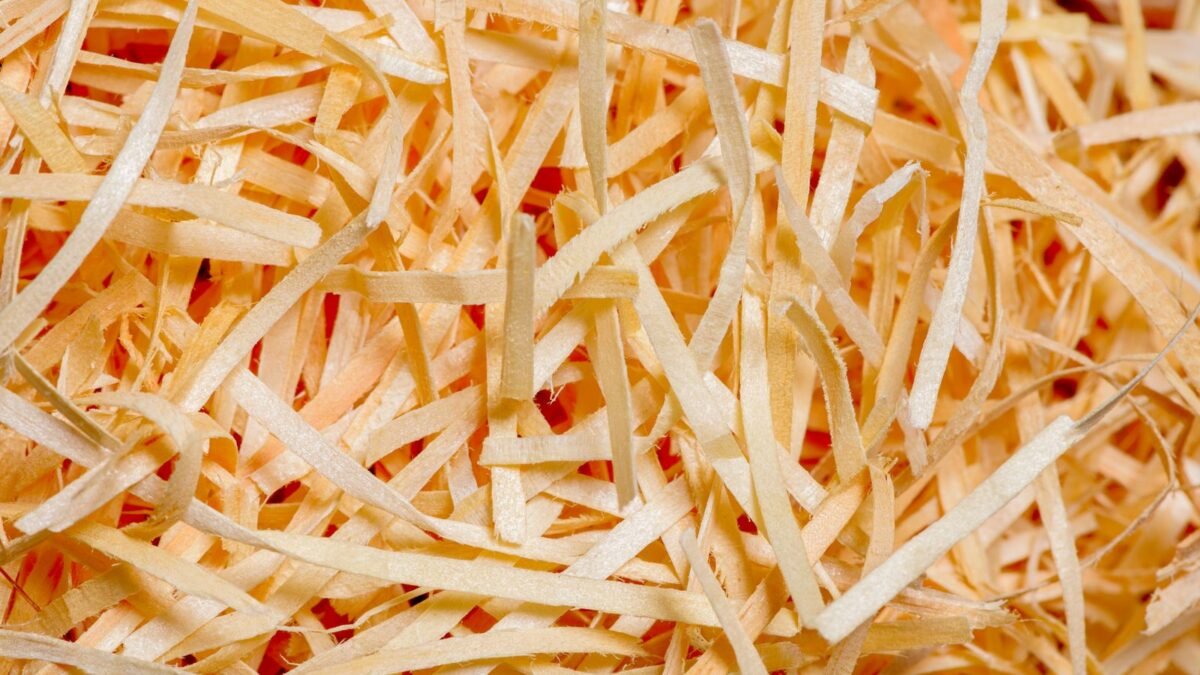
Worm bin bedding is where your worms live, breathe and do most of their eating. It holds moisture, lets air in, balances the nitrogen in food scraps with carbon, and slowly becomes castings itself. Choosing the right bedding, and keeping it topped up, solves a lot of problems before they start.
What good worm bin bedding does
- Holds moisture evenly without becoming waterlogged
- Stays loose so air can reach the worms
- Provides carbon to balance nitrogen-rich food scraps
- Is safe, free of chemicals, salts and dyes
- Is cheap and easy to find, because you’ll keep adding it
No single material is perfect at all five, which is why most experienced worm keepers use a mix.

Shredded cardboard
Best for: everyone, as the main bedding.
Plain brown corrugated cardboard is free, absorbs a lot of water, and creates air pockets as it breaks down. Worms love the corrugated layers.
How to prepare: Remove tape, labels and staples. Tear or shred into strips about 1 inch (2–3 cm) wide. Soak in water, then squeeze out the excess.
Watch out for: glossy printed cardboard and cardboard with plastic coatings. Plain brown boxes and egg cartons are ideal.
 Related guideGetting Worm Bin Moisture Right With the Squeeze Test
Newspaper
Best for: a cheap bulk filler.
Black-and-white newsprint uses soy or other low-toxicity inks in many countries and is widely used as bedding. It’s easy to shred and soaks up water quickly.
How to prepare: Tear into strips about 1 inch wide, top to bottom along the grain. Soak and squeeze.
Watch out for: newspaper mats into soggy sheets when wet, which blocks air. Fluff it well and mix it with cardboard or coir. Avoid glossy inserts.
Office and printer paper
Best for: small top-ups.
Shredded plain paper works, but it’s dense and breaks down quickly. Use it as part of a mix rather than on its own.
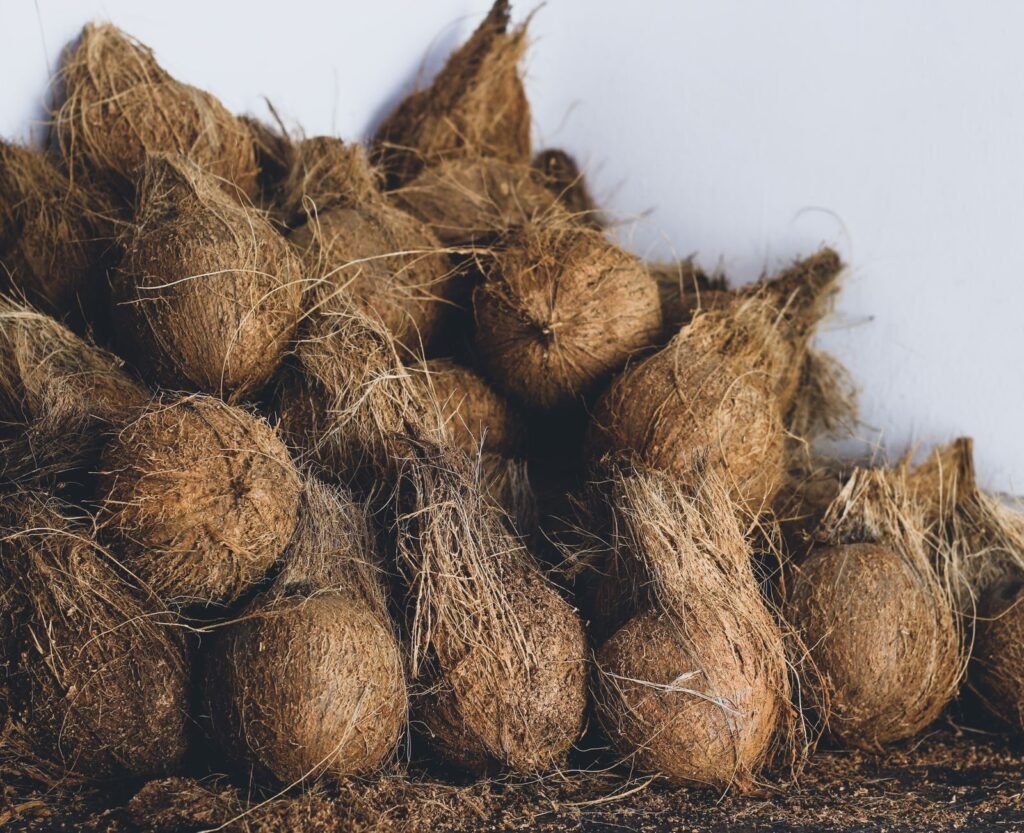
Coconut coir
Best for: moisture balance and a soft, soil-like texture.
Coir is the fibrous husk of coconuts, sold in compressed bricks. It holds water evenly, resists compaction and has a near-neutral pH. A 650 g brick expands to roughly 8–9 liters when soaked.
How to prepare: Soak a brick in about 3–4 liters of water for 20–30 minutes, then fluff it apart. Some coir contains salt from processing. If it isn’t labeled “washed” or “buffered”, rinse it well and squeeze it out before use.
Watch out for: it provides less food value than cardboard, so it works best mixed with other materials.
Aged leaves
Best for: a natural, nutrient-rich addition.
Fallen leaves, especially once they’ve started to break down, are close to what red wigglers eat in the wild. They bring beneficial microbes with them.
How to prepare: Collect dry leaves in autumn and store them in bags. Crumble or shred them before adding. Moisten.
Watch out for: leaves from black walnut, eucalyptus and other trees with strong natural chemicals. Avoid leaves from roadsides or sprayed areas.
Peat moss
Best for: occasional use.
Peat holds moisture well, but it’s acidic and its harvesting damages peat bogs, important carbon stores. Coir does the same job more sustainably. If you use peat, add a little ground eggshell or garden lime to buffer acidity.
Aged animal manure
Best for: experienced worm keepers and outdoor beds.
Well-aged horse, cow or rabbit manure is a traditional worm bedding and food. Worms thrive in it.
How to prepare: Use only manure that has aged for several weeks or months. Fresh manure heats up and releases ammonia, which can kill worms.
Watch out for: manure from animals recently treated with dewormers, which can be toxic to composting worms. Never use dog or cat waste. See foods to keep out of your bin.
Straw and hay
Best for: outdoor beds and adding air.
Straw creates good airflow but breaks down slowly and doesn’t hold moisture well. Chop it short and mix it with other materials.
Sawdust and wood shavings
Best for: small amounts only.
Untreated hardwood sawdust can be used sparingly. It’s high in carbon and slow to break down. Never use sawdust from treated, painted or engineered wood.
Best worm bin bedding mixes
All-rounder (beginners)
- 2 parts shredded cardboard
- 1 part coconut coir
- A handful of garden soil or finished compost
Budget mix
- 2 parts shredded cardboard
- 1 part shredded newspaper
- A handful of garden soil
Natural mix
- 1 part shredded cardboard
- 1 part aged leaves
- 1 part coir or aged manure
Our bedding ratio calculator works out quantities for each mix based on your bin size.
Setting up and topping up
How deep?
Fill a new bin about two-thirds full with loose, damp bedding: usually 6–10 inches (15–25 cm). The worms will compress it over time. Then follow our first-week setup guide.
Moisture
Bedding should feel like a wrung-out sponge. Our moisture guide explains the squeeze test.
Topping up
Bedding slowly turns to castings. Add a few handfuls of fresh, damp bedding with each feeding or every couple of weeks. When the bin is mostly dark castings with little visible bedding, it’s time to harvest.
Troubleshooting bedding problems
- Bedding mats into sheets: too much newspaper. Mix in cardboard or coir and fluff.
- Bedding dries out in days: too much airflow or a warm spot. Add coir and cover the surface with damp cardboard.
- Bedding is soggy: add dry cardboard and cut back watery food. See our wet bin fix.
- Bedding disappears quickly: worms are hungry or the bin is warm. Feed a little more and top up bedding more often.
- Bedding smells sour: overfeeding or poor airflow. Fluff it, add fresh dry material and pause feeding.
Further reading: Oregon State University Extension’s Composting with Worms (EM 9034) has a section on worm bin bedding, and NC State Extension’s Worms Can Recycle Your Garbage lists bedding materials too.
Frequently asked questions
Can I use only cardboard as bedding?
Yes. Plain shredded cardboard on its own works well, especially with a handful of soil for grit and microbes. Mixing in coir or leaves improves moisture balance.
Is colored ink safe for worms?
Most modern newspaper inks are low-toxicity. Avoid glossy, heavily colored or coated paper, and anything with metallic inks.
Can I use potting mix as bedding?
It’s not ideal. Many potting mixes contain slow-release fertilizer, wetting agents or perlite that you don’t want in a worm bin. Use plain garden soil or coir instead.
How often should I add new bedding?
Add a handful with every feeding. Do a larger top-up whenever the bedding level drops noticeably or looks mostly broken down.