
Disclosure: As an Amazon Associate I earn from qualifying purchases. It costs you nothing extra and never changes which products I recommend. I only list gear I have used myself.
Choosing the best worm compost bin comes down to one question most buying guides skip: where will the bin actually live? A bin that works beautifully under a kitchen counter can bake on a sunny patio, and a bin built for the garden can be overkill on an apartment balcony. I have used all three of the products below, and each one earned its place for a different reason.
Below you’ll find my quick picks, a closer look at each bin, a side-by-side comparison, and the buying checklist I wish someone had handed me before my first worm bin. If you’re brand new to worms, read how to start a worm bin alongside this guide.
My quick picks
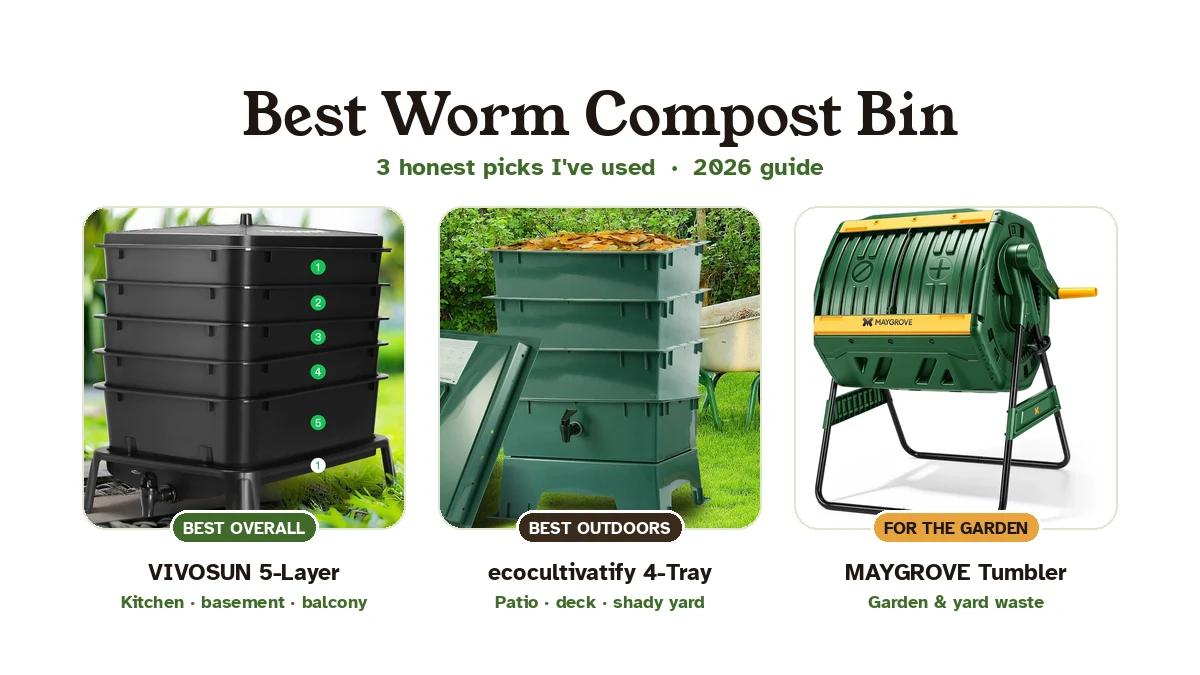
- Best worm compost bin overall: VIVOSUN 5-Layer Worm Compost Bin (50L). Five trays, a drain spigot and a starter kit in one box.
- Best worm bin for outdoors: ecocultivatify 4-Tray Worm Compost Bin. A weather-ready lid and sturdy trays for a yard, deck or balcony.
- My favourite for the whole garden: MAYGROVE 53-Gallon Dual Chamber Tumbler. Not a worm bin, but the best-equipped composter I’ve owned, and the perfect partner to one.
How I chose the best worm compost bin for each job
I didn’t rank these by the length of the feature list. I judged each bin on the things that decide whether you keep composting after the first month:
- Airflow. Worms breathe through their skin. A bin without enough ventilation turns wet, sour and smelly.
- Drainage. Food scraps release water. You need a way to drain it, ideally a spigot, or the bottom tray becomes a swamp.
- Harvesting. Stacking trays let the worms migrate upward to fresh food, so you can lift off finished castings without sorting worms by hand.
- Where it can live. Indoor, balcony or garden. Sun, rain and frost all change what “a good bin” means.
- What’s in the box. A moisture meter, a scraper and a bit of fabric to cover the bedding sound small, but they remove most beginner guesswork.
Which bin fits where you live?
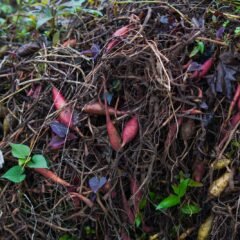 Related guideRed Wigglers vs Nightcrawlers: Which Worms Belong in a Bin?
1. VIVOSUN 5-Layer Worm Compost Bin: the best worm compost bin overall
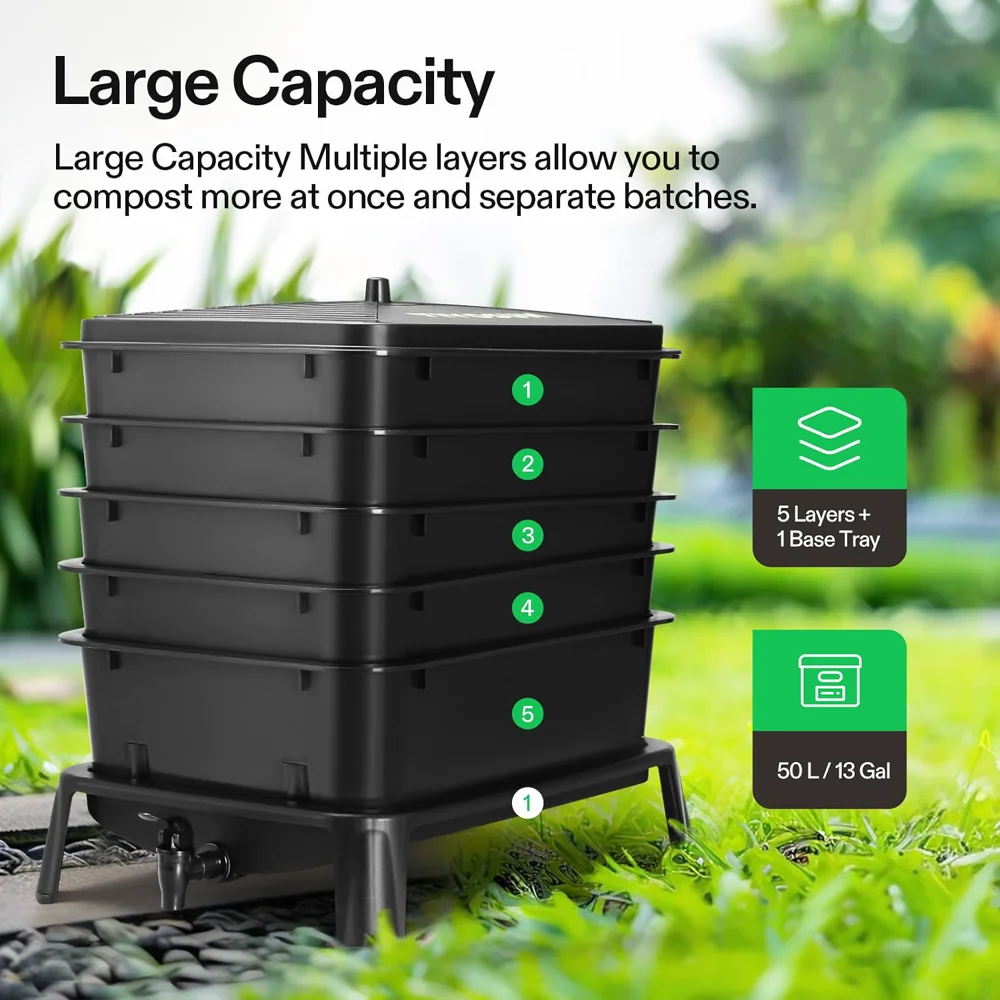
Best overall
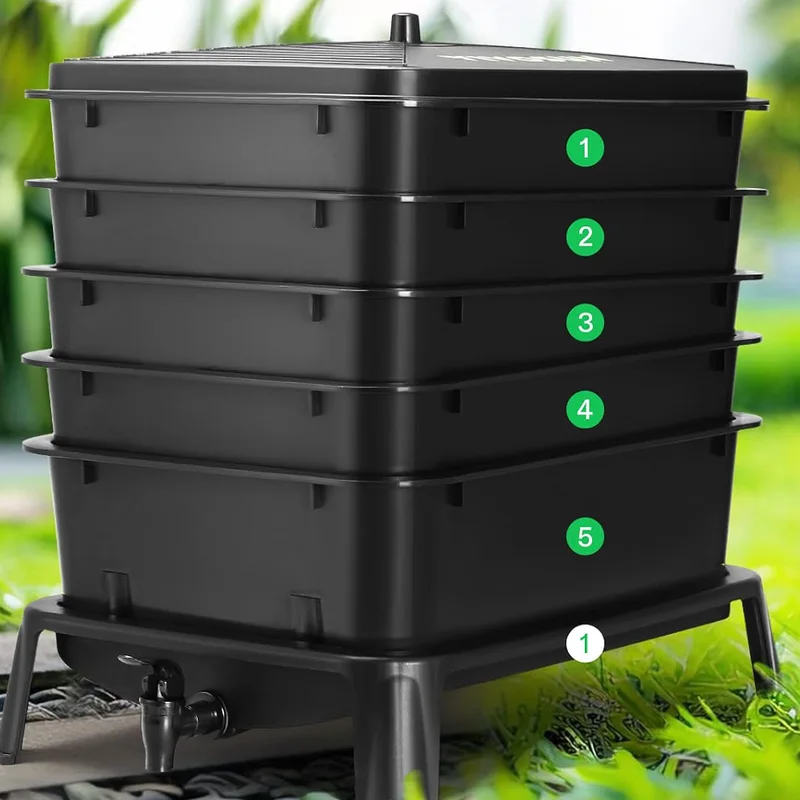
VIVOSUN 5-Layer Worm Compost Bin, 50L
- Trays: 5 stacking layers plus a base tray (a 3-layer version is also sold)
- Capacity: 50 litres (about 13 gallons)
- Size: 12.3″ L × 13.18″ W × 23.54″ H, 7.48 lb
- Material: sturdy PP plastic, black
- In the box: 4 anti-slip feet, 250 ml measuring cup, soil meter, rack, rubber scraper, non-woven fabric, gloves
What I liked
- Five trays give the worms room to migrate, so harvesting is easy
- Spigot on the base tray drains excess liquid
- Small footprint for indoor corners
- Starter tools included
Keep in mind
- Black plastic heats up fast in direct sun
- Start with one or two trays; five is for a mature bin
- Plastic trays need a gentle hand when full
If someone asks me for the best worm compost bin to start with, this is the one I point them to. Put simply, it’s a complete worm farm in a box. The five trays stack vertically, so the bin takes up little more floor space than a kitchen pedal bin while giving you real capacity as the colony grows. VIVOSUN says setup takes about five minutes, and that matches how simple the parts are.
What makes it work is the stacked design. You start with bedding, worms and food in the bottom tray. When it fills up, you add the next tray on top with fresh food, and the worms move up through the holes on their own. A few months later the bottom tray is mostly finished castings, ready to lift out. You never have to dump the whole bin on a tarp and pick worms out by hand.
The air slits between the layers keep oxygen moving without leaving big gaps for worms to escape, and the base spigot lets you drain liquid before it pools. One note on that liquid: the run-off from food scraps isn’t true “worm tea”. Dilute it well before watering plants, or just use it on the compost heap. The included soil meter is genuinely useful for the weekly moisture check (aim for a wrung-out sponge). The non-woven fabric goes over the bedding to keep the surface dark and damp, and helps keep fruit flies out.
Who it’s for: beginners, apartment dwellers and anyone keeping a bin indoors, in a basement or on a shaded balcony. Not sure how many worms to buy for it? My guide on how many worms to start with walks through the numbers.
2. ecocultivatify 4-Tray Worm Bin: the best worm compost bin for outdoors
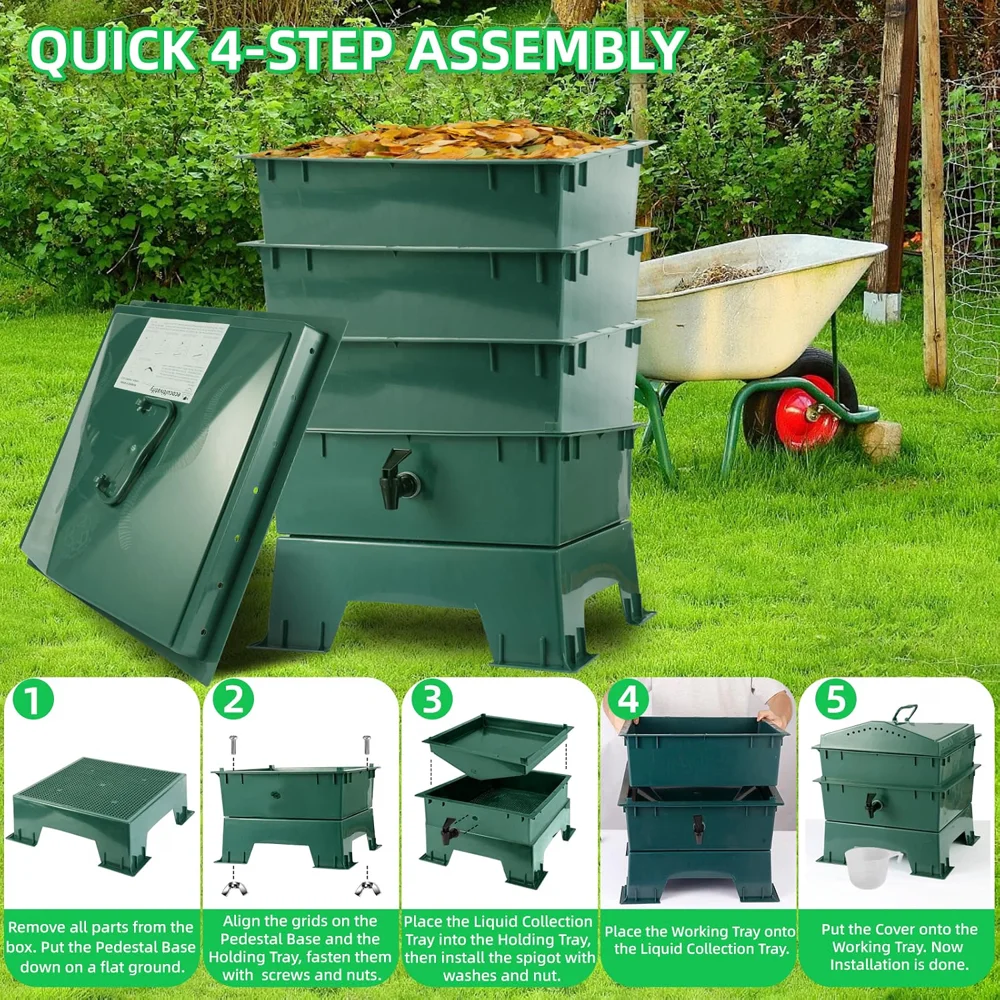
Best for outdoors
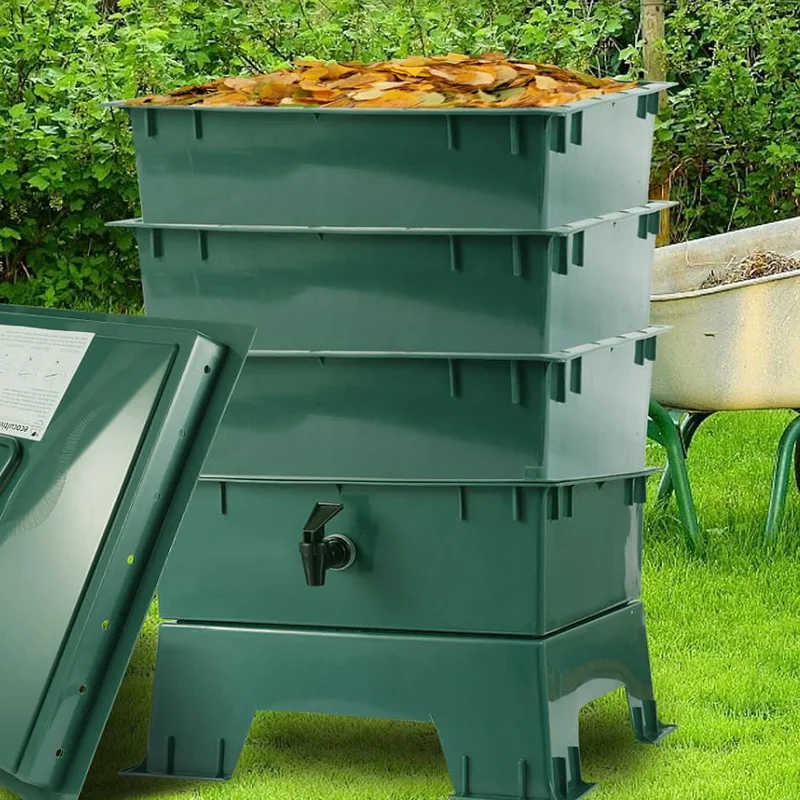
ecocultivatify 4-Tray Worm Compost Bin (“Wormie’s Home”)
- Trays: 4 stacking trays on a raised pedestal base (other colours and tray counts available)
- Castings capacity: about 40 litres, per the brand
- Lid: ventilated, designed to be windproof and rainproof
- Build: corrosion-resistant plastic, patented tray design
- Extras: liquid collection tray with spigot, measuring cup, step-by-step manual
What I liked
- The lid copes with wind and rain much better than indoor bins
- Raised pedestal keeps the trays off wet ground
- Clear instructions and a quick screw-together assembly
Keep in mind
- Four trays means less capacity than the VIVOSUN
- “Fertilizer in 4–5 weeks” is the brand’s best case; plan on longer
- Still needs shade and frost protection
Of the three, the ecocultivatify bin is the one I’d choose for outside. Most tray bins are designed for kitchens and garages and leave you to work out the weather yourself. This one’s lid is built to keep rain out and stay put in the wind, and that matters more than any other feature once your bin lives on a deck or in the garden. A flooded bin is one of the fastest ways to lose worms.
The trays work on the same principle as the VIVOSUN: worms move up towards fresh food and leave finished castings behind. Assembly is a handful of steps: the pedestal base, a holding tray, the liquid collection tray with its spigot, the working tray and the cover. ecocultivatify puts a lot of weight on ventilation, and its own guidance lines up with what worms need. That means humidity around 60–85%, a near-neutral pH of 6.0–7.0, and bedding temperatures of roughly 55–77°F (13–25°C). The brand says the bin can cut household waste by about a quarter and hold around 40 litres of castings. Your results depend on how much you feed it, so treat those as estimates.
A word of caution about “outdoor”. No plastic bin protects worms from extreme heat or deep frost. Put it where it gets afternoon shade, and in a cold climate move it into a garage or wrap it once nights drop towards freezing. My worm bin in winter guide covers this step by step.
Who it’s for: gardeners with a patio, deck or shady corner who want the worm bin close to where the castings will be used.
3. MAYGROVE 53-Gallon Tumbler: my favourite companion to a worm bin
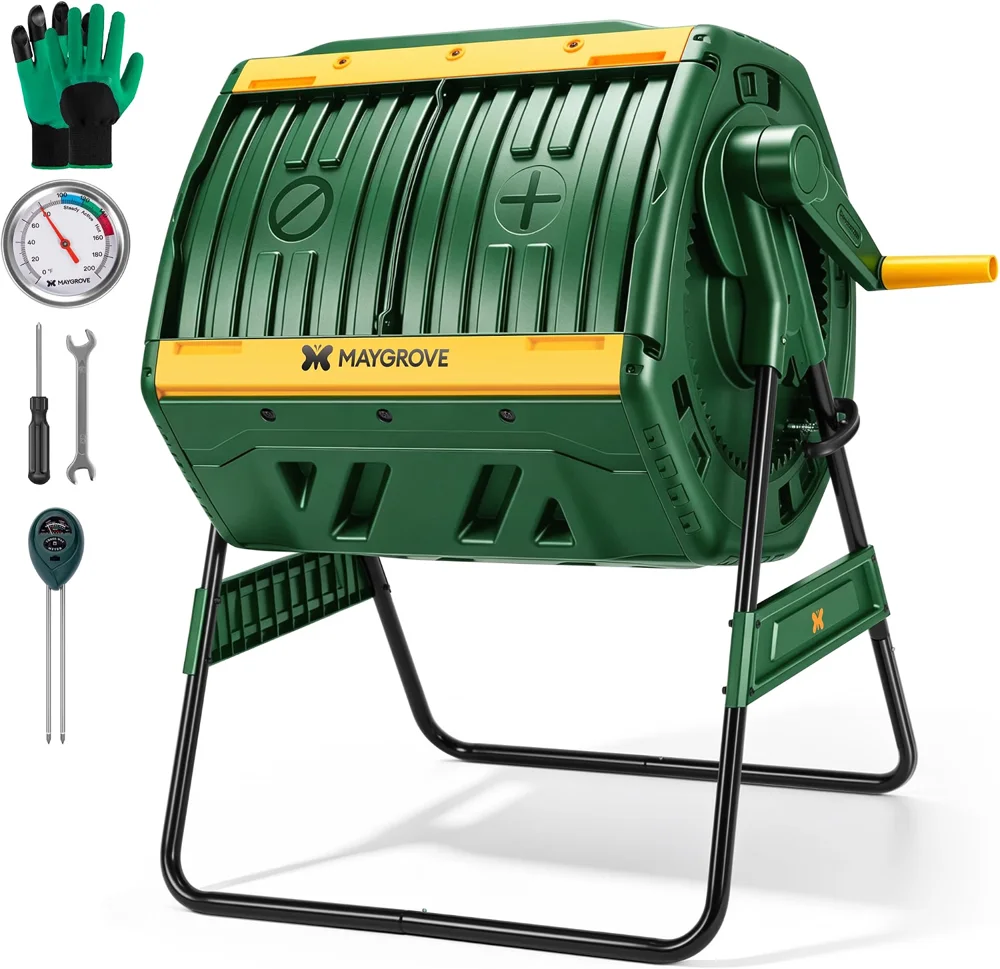
My favourite overall
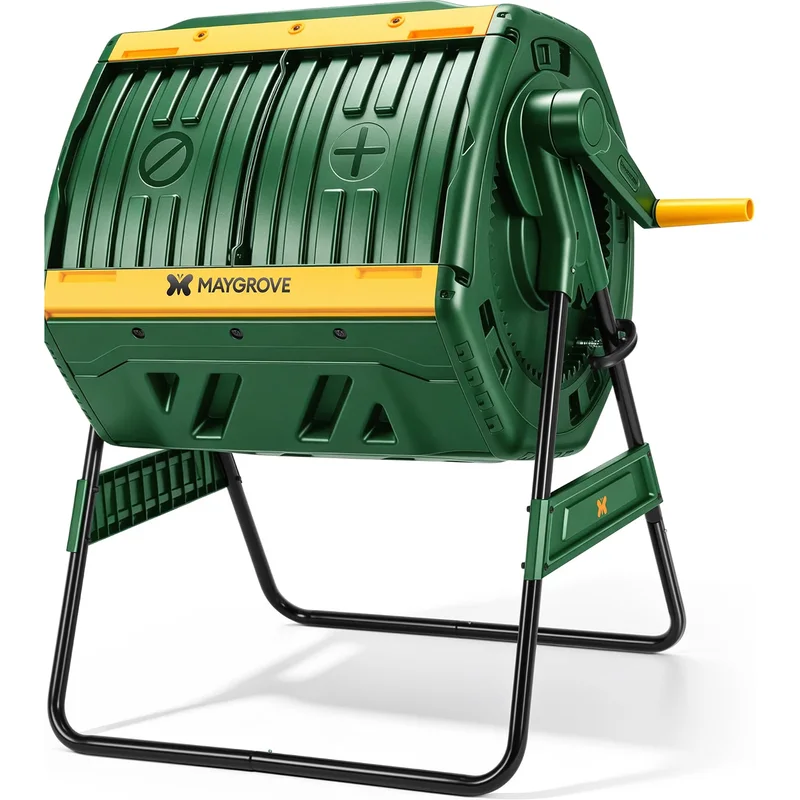
MAYGROVE Outdoor Compost Bin, 53 Gallon Dual Chamber Tumbler
- Type: hot-compost tumbler, not a worm bin
- Capacity: 53 gallons across two chambers (43-gallon size also sold)
- Mixing: 360° rotation with built-in mixing bars, gear-assist handle
- Access: sliding doors, slide-lock to hold the drum steady
- Included: compost thermometer, soil tester for moisture and pH, gloves, screwdriver and wrench
What I liked
- Best accessory bundle of the three
- Two chambers: one fills while the other finishes
- Turning is easy, even when loaded
- Takes garden waste a worm bin can’t handle
Keep in mind
- Never add composting worms; the heat can kill them
- Needs outdoor space and a fair amount of greens
- Much bigger investment than a tray bin
Here’s the honest twist in this guide: my personal favourite isn’t a worm bin at all. The MAYGROVE is a hot-compost tumbler, and I like it best of the three mainly because of what comes with it. The compost thermometer, soil tester and gloves mean you’re measuring from day one, not guessing, and the screwdriver and wrench in the box mean you don’t need your own tools for assembly. Spinning the drum is easy thanks to the gear-assist handle, and the slide-lock stops it from swinging while you add scraps.
Why does it belong in a worm compost bin guide? Because it solves the two problems every worm keeper eventually hits. First, there’s always more waste than the worms can eat: grass clippings, prunings, a pile of autumn leaves. Second, some scraps don’t belong in a worm bin at all, such as lots of onion and citrus, which suit a hot pile better. That overflow is exactly the job the tumbler does well, while the worms get the scraps they handle best. Two separate chambers mean one side can finish while you keep filling the other.
Important: don’t put worms in a tumbler. Hot composting is meant to heat up, and the right range for a working pile is well above what red wigglers can survive. Use the tumbler next to your worm bin, not instead of it. You can mix its finished compost with your worm castings for a richer potting blend.
Who it’s for: anyone with a garden who wants to compost the yard as well as the kitchen, and anyone who wants proper measuring tools in the box.
Worm compost bin comparison at a glance
| Feature | VIVOSUN 5-Layer | ecocultivatify 4-Tray | MAYGROVE Tumbler |
|---|---|---|---|
| Type | Worm bin (stacking trays) | Worm bin (stacking trays) | Hot-compost tumbler |
| Size | 5 trays, 50 L | 4 trays, ~40 L castings | 53 gal, 2 chambers |
| Best spot | Indoors, balcony | Patio, deck, shady yard | Garden, backyard |
| Liquid drain | Spigot | Spigot | N/A |
| Tools included | Soil meter, scraper, gloves, fabric, cup | Measuring cup, manual | Thermometer, soil tester, gloves, tools |
| Takes worms? | Yes | Yes | No |
| My verdict | Best overall worm bin | Best outdoor worm bin | Best companion composter |
How to choose the best worm compost bin for your home
1. Start with where it will sit
This is the biggest factor. Indoors, almost any well-ventilated tray bin works, because your home keeps it at a comfortable temperature. Outdoors, you need a lid that sheds rain, and a spot that never gets full afternoon sun. Red wigglers are most active roughly between 64 and 79°F (18–26°C). They slow down below about 50°F and get stressed above about 86°F.
2. Match the size to your scraps
A household of one or two people is usually well served by a 3-to-5 tray bin. A useful rule: worms eat around a quarter to half of their body weight a day in good conditions, so a pound of worms handles a few pounds of scraps a week. If your family produces far more than that, add a tumbler for the overflow rather than buying an oversized worm bin.
3. Insist on drainage and airflow
Look for ventilation in the lid or between trays, and a spigot or drain. Without them, even careful feeders end up with a smelly, anaerobic bin. If yours does start to smell, my guide to what worms can eat and our free “Can worms eat it?” food checker will usually reveal the culprit.
4. Count the accessories
A moisture or soil meter, a scraper and a bedding cover cost little on their own but are easy to forget. This is where the VIVOSUN and the MAYGROVE pull ahead of the ecocultivatify.
5. Plan for harvest day
Stacking trays make harvesting simple: lift the bottom tray once the worms have moved up. Finished castings are dark, crumbly and smell like a forest floor. You can use them straight away, mix them into potting soil, or use them for seed starting.
Worm compost bin FAQ
What is the best worm compost bin for beginners?
For most beginners, the VIVOSUN 5-Layer is the best worm compost bin because it includes the tools you need (soil meter, scraper, fabric and gloves) and the stacked trays make harvesting easy. Start with one tray, then add more as the worms multiply.
Can I keep a worm bin outside?
Yes, as long as it’s protected. Choose a bin with a weather-resistant lid like the ecocultivatify, keep it in shade, and move or insulate it when temperatures approach freezing or climb into the high 80s °F.
Can I put worms in a compost tumbler?
No. Tumblers like the MAYGROVE are built for hot composting, and a working hot pile gets far too warm for composting worms. Run a tumbler alongside your worm bin for yard waste and overflow instead.
How long until a worm bin makes castings?
Brands often quote four to six weeks, but in a typical home bin the first tray of usable castings usually takes two to three months. It’s faster in warm weather with a well-established colony.
Do worm bins smell?
A healthy worm bin smells earthy. Bad smells mean too much food, too much moisture or not enough air. Feed less, add dry shredded cardboard, and check that the vents and drain are clear.
My final verdict
If you want one bin to start your worm journey, get the VIVOSUN 5-Layer. It’s the best worm compost bin for most homes and arrives with everything you need. If your bin will live outside, the ecocultivatify 4-Tray handles the weather better. And if you have a garden, pair either one with the MAYGROVE tumbler. It’s my favourite composter for its tools and capacity, and it takes everything the worms can’t. Once your bin is running, our free worm bin diary will remind you when to feed, check moisture and harvest, based on your local weather.